
“Signs Used in Biblical Quotations” How to Separate Biblical Quotations?
Audio Message in English
Maria Dorsey 📖 Gabriela Ramie 03-27-2022
In the Bible, the correct way to cite verses is as follows: "Book, Chapter, and Verse," for example, "Matthew 2:15-16." The chapter and verse are separated by a colon (:), as in "Matthew 2:15-16."
The Correct Format for Citing Bible Verses Is as Follows:
-Book: Use the full name of the book or its standard abbreviation (Example: Matthew, Matt). Do not abbreviate the name of the book if it begins a sentence or refers to the entire book or author. Use abbreviations for the books of the Bible when quoting or referencing texts.
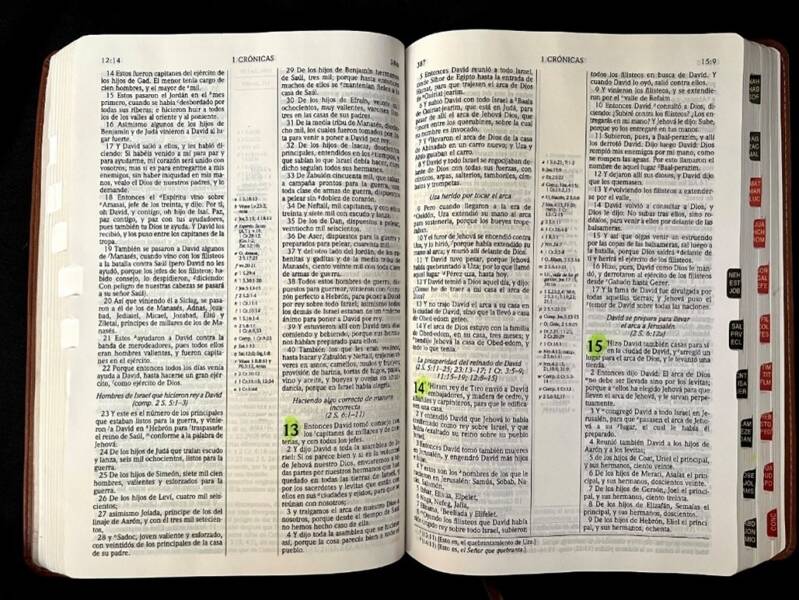
-Chapter: The chapter is the first number in the verse. It is the largest number in the verse. Example: Matthew 2.
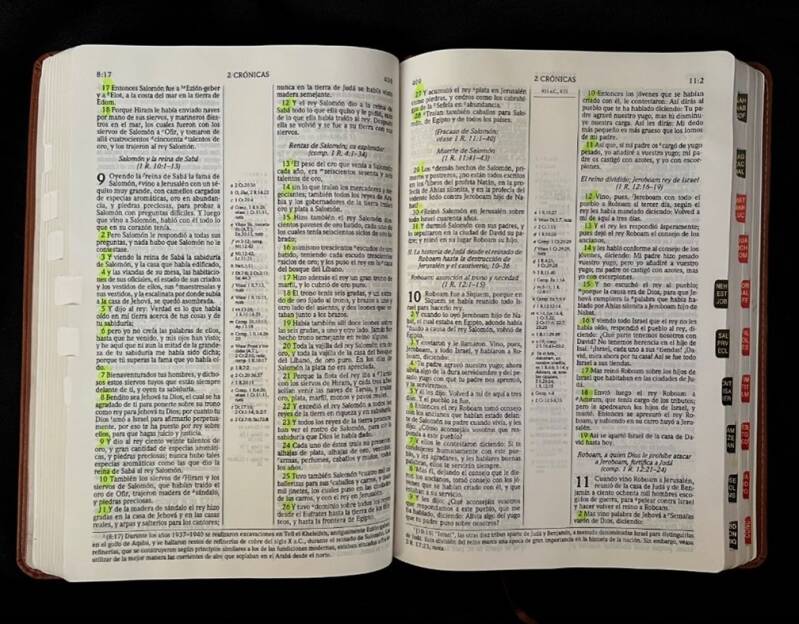
-Verse: These are the small numbers in the verse. Range of verses, for example: 15-20. If a range of verses is cited, a hyphen (-) is used to separate them; verses 15-20 should read fifteen through twenty. Now, if a single verse is cited, the hyphen is not needed (for example: Matthew 12:15).
-Separator: A colon (:) separates the chapter from the verse. For example: Matthew 2:15-16.
Examples:
(Matthew 2:15-16. Here, you read the book of Matthew, chapter 2, verses 15 through 16.
(John 3:16 (here you read the book of John chapter 3 and verse 16).
Psalms 3:25; 40-10 (here you read the book of Psalms chapter 3 and verse 25). The separation of (;) also indicates not to make the name of the book repetitive, that is, to read Psalm 40:10 (The book of Psalms chapter 40 verse 10. Another example is John 3:8; 10:12-15 (here you read the book of John, chapter 3, verse 8 and John chapter 10, verses 12 through 15).
This is used to put several different chapters and their verses in the same quotation.
Thematic References or Topical References:
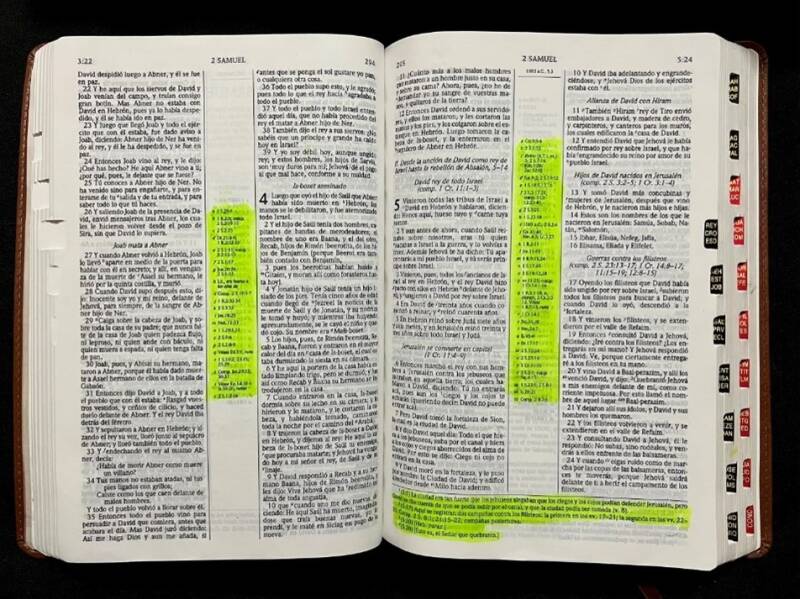
In the Bible, topical references are used to connect verses that address the same topic, allowing for a deeper and more comprehensive study of biblical doctrine.
What Are Topical References in the Bible?
-Connecting Topics:
Topical references, often found in marginalia or study versions, identify specific themes that recur in different Bible passages.
-Deeper Study:
They help us understand the Bible more completely by allowing the reader to follow the development of a theme through different books and chapters.
-Examples:
-The Trinity: References to the Trinity (God the Father, Son, and Holy Spirit) can be found in different passages of the Old and New Testaments.
-The Gospel: References to gospel themes, such as salvation, faith, and grace, can be found in different books of the Bible.
-People, Places, and Events: Thematic references can connect passages that speak of important people, places, or events in biblical history.
-Sample Verses:
-Genesis 1:1, "In the beginning, God created the heavens and the earth."
-Isaiah 41:10: "Do not fear, for I am with you."
-Micah 6:8 says: "Walk humbly with your God."
-Matthew 6:34: "Do not worry about tomorrow."
-1 Corinthians 10:13: "God is faithful."
Enjoy Your Bible Reading.
Glory and All Praise to the Eternal One. Maranatha